
Why fashion influencers are not political even when they should be
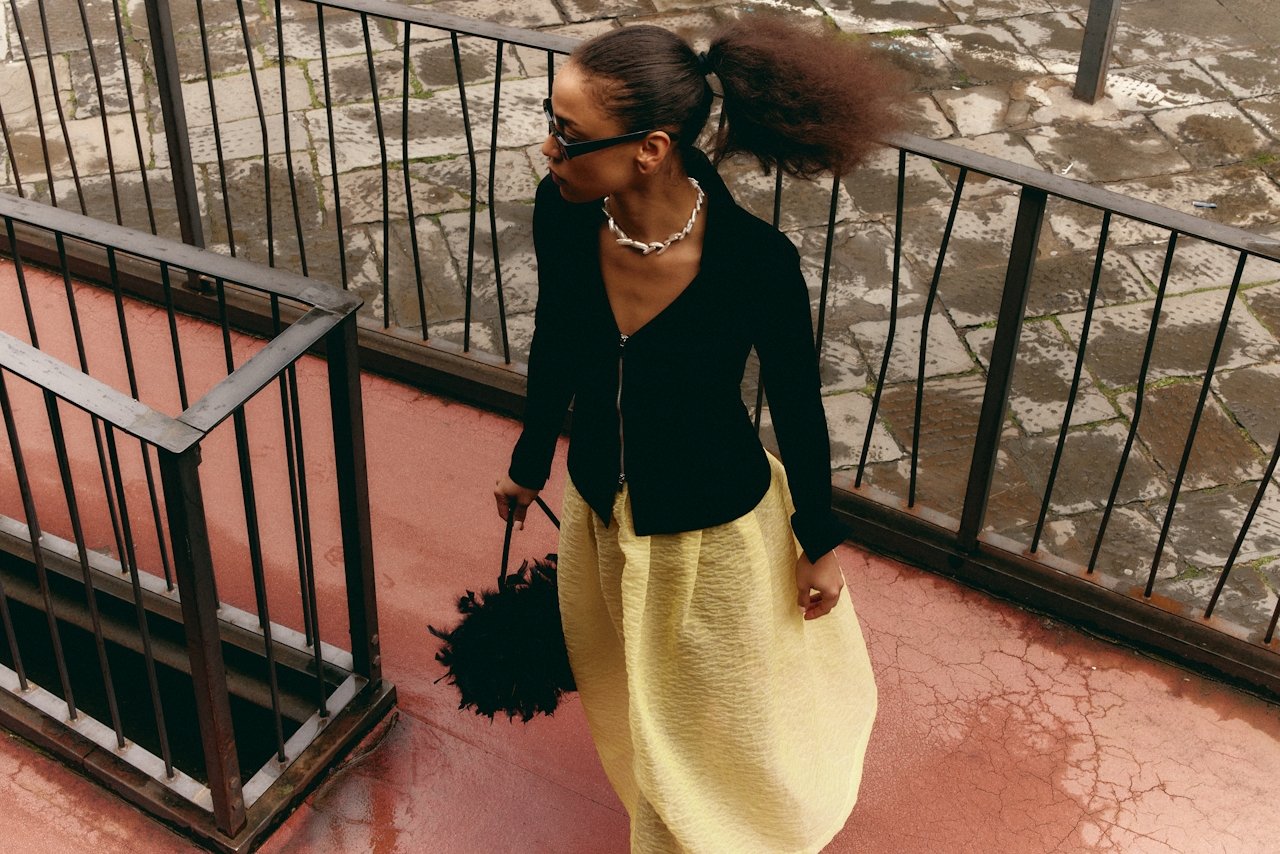
Daniel Farò
Fashion influencers are often told that politics ruins careers. Gaining entry into the fashion world is one of the most sought-after careers, and one thing becomes clear: if you want brand deals, you always stay neutral. Like any career, you want longevity and a network that can be sustained over time, and when you ignore the power center, that becomes easier. The rule has become so normalized that it feels more professional to strip you of your values and protection.
The industry conditions you to trade silence for access when it stays political. Brands want to protect themselves and their profits above all else, even enforcing that through rewards and punishments. Influencers who avoid controversy receive brand trips and deals, while those who speak out get silent support and inbox messages. In doing so, the fashion industry makes it clear that political content from influencers is not allowed, all while operating behind the scenes with politicians, dictators, and influential individuals.
Fashion has never been neutral
Fashion has always been political, even when it tries to distance itself from power. Coco Chanel built a global fashion empire while maintaining ties to Nazi officials during World War II. That connection did not dismantle the brand or diminish its cultural prestige. Today, Chanel remains one of the most powerful and recognizable luxury houses in the world. Chanel is often referenced in music, worn by major celebrities, and embraced across cultures that were never meant to wear the garments. The brand continues to circulate as a symbol of success and taste, while it has never formally apologized for or fully reckoned with its founder’s wartime and Nazi alliances. Instead, the brand has denied and minimized that period of history. Fashion has repeatedly forgiven political alignments when it’s profitable or the brand is popular.
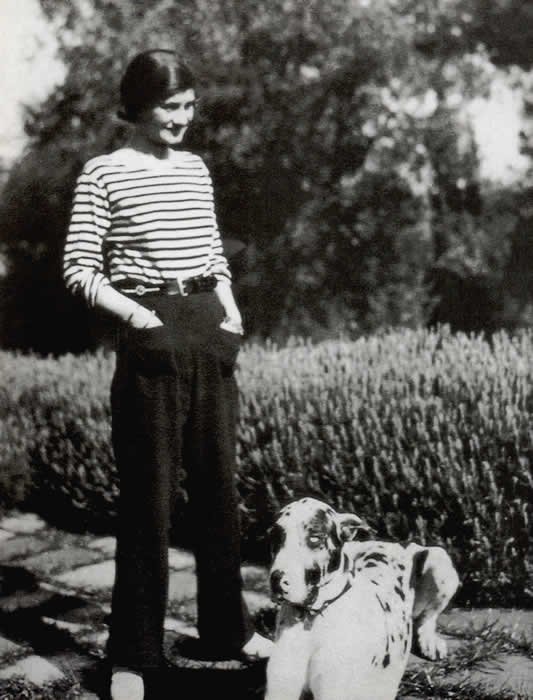
Chanel wearing a sailor’s jersey and trousers. 1928. Public domain.
Chanel is part of a broader pattern within the fashion industry, not just an isolated case. Hugo Boss built its early success by manufacturing uniforms for the Nazi regime throughout the 1930s and 1940s, including those worn by the SS. Hugo Boss directly profited from forced labor and Nazi alliances during World War II, but that did not prevent the brand from achieving long-term global relevance or cultural legitimacy. Today, the brand is a symbol of authority and sophistication, worn by politicians, executives, and highly recognized public figures worldwide. Chanel and Hugo Boss are not the only brands with connections to Nazis, fascists, or other authoritarian regimes. The fashion industry has a long history of absorbing political power while protecting profits.
Women’s rights make fashion possible
Having long aligned itself with political power, the fashion industry depends on women’s rights while treating women’s political speech as a liability. Fashion requires women to have access to employment, banking, and independence to consume, to keep profits high, yet the industry pretends that these access points are just a way of life, not political acts. The right to vote enabled women to influence markets and culture. At the same time, the Equal Credit Opportunity Act of 1974 allowed women to obtain credit to build financial wealth and spend money without male approval. The Civil Rights Act of 1964 and the Equal Pay Act of 1963 provided workplace protections that enabled women to work in male-dominated fields, including media, retail, and the creative industries, including fashion. The passage of Roe v. Wade allowed women to plan their futures. With the Dobbs v. Jackson Women’s Health Organization overturned in 2022, the setback we have already seen has impacted women’s ability to plan their futures and secure stable employment. All these laws and policies are political foundations that make fashion possible for women today, yet they are often dismissed as abstract ideals or personal choices outside the system.
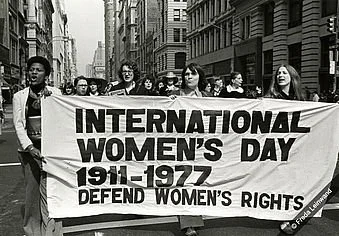
Freda Leinwand, 1977. The Schlesinger Library, Radcliffe Institute, Harvard University
The insistence that fashion stays out of politics ignores how deeply politics already shape the industry. Every career path in fashion largely depends on loose laws that enable slave-like labor systems, along with ongoing environmental impacts on developing nations. Whether or not the industry or influencers want to name them, staying silent for career advancement disconnects you from the very system that allows you to be included. Influencers should no longer treat politics as optional and must recognize that stability cannot continue without great attention and the defense of our rights. Fashion cannot and does not exist outside politics.
Brand safety is political
Brands actively engage in politics while influencers are punished for doing the same, enforced through what the industry calls ‘brand safety.’ Brand safety works by rebranding politics as “controversy,” making justice, labor rights, bodily autonomy, and environmental issues sound like personal opinions rather than essential matters the industry depends on. This reframing isolates fashion influencers, making them feel reckless or “not educated enough” to discuss these topics, even when the facts affect their lives. The goal seems to be to avoid questioning the global supply chain. Brand safety protects the industry’s image by creating a false divide between fashion and politics. That’s why influencers should reject this framing. Silence doesn’t create safety; it simply shields the brand narrative, not our lives or women’s futures. If we let the fashion industry continue pretending to be neutral, we lose the power to decide who is protected and who isn’t.
Fashion influencers are taught that staying quiet is smart, but that lesson only benefits the industry, not the people inside it. Silence only helps the powerful, while the consequences of politics affect everyone else. Over time, silence becomes the norm, and avoidance increases. Avoidance doesn’t prevent laws from changing, labor from being exploited, clothes from ending up in landfills, or rights from being taken away. It simply means that those issues happen without resistance from the most visible and affected individuals. Fashion doesn’t need more people pretending nothing is happening. It needs people willing to acknowledge that what happens off the runway shapes everything seen on it.
GET THIS IN A ZINE EACH WEEK
Subscribe to get a zine version of Inside Priestess, our weekly liberation zine delivered to your inbox on Sundays for updates on our print issue, featured blogs, games, collective action, and more!